Find us on Social Media


When Intelligence Meets Reality
30 Years XR Computing Frontier
From Perception to Action: The very first public event to democratize XR and AI glasses among the general public.
Location
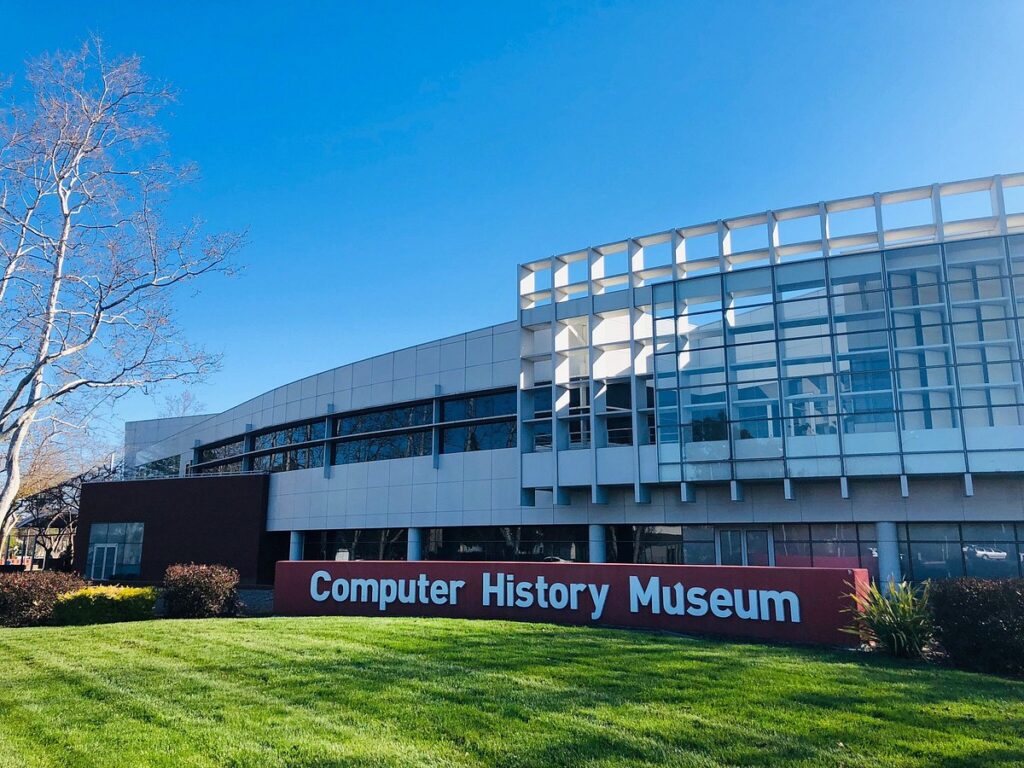
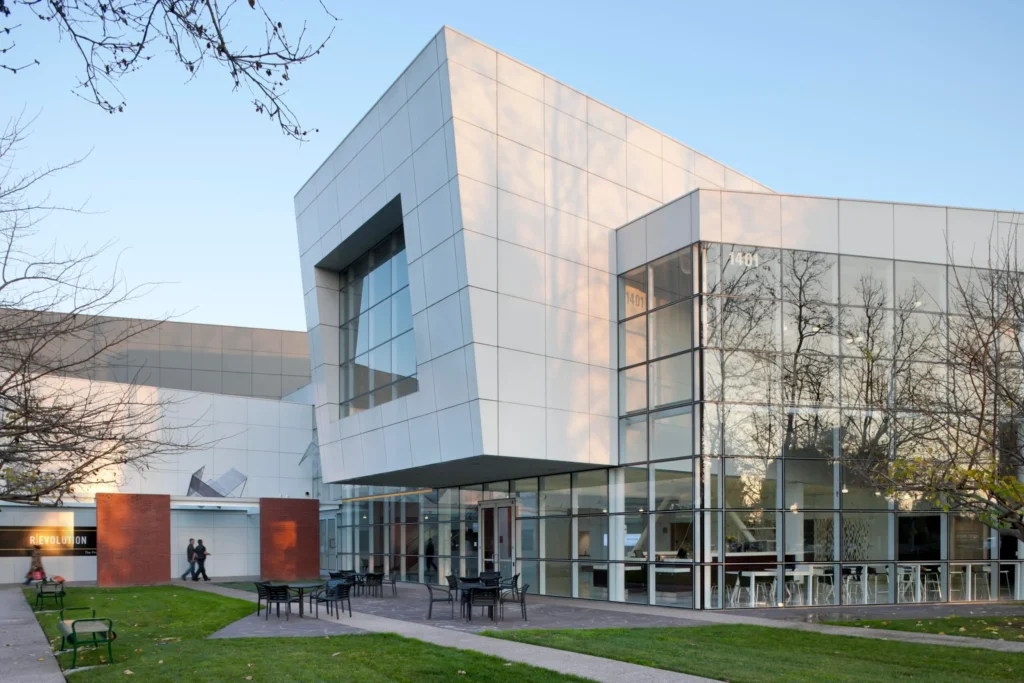
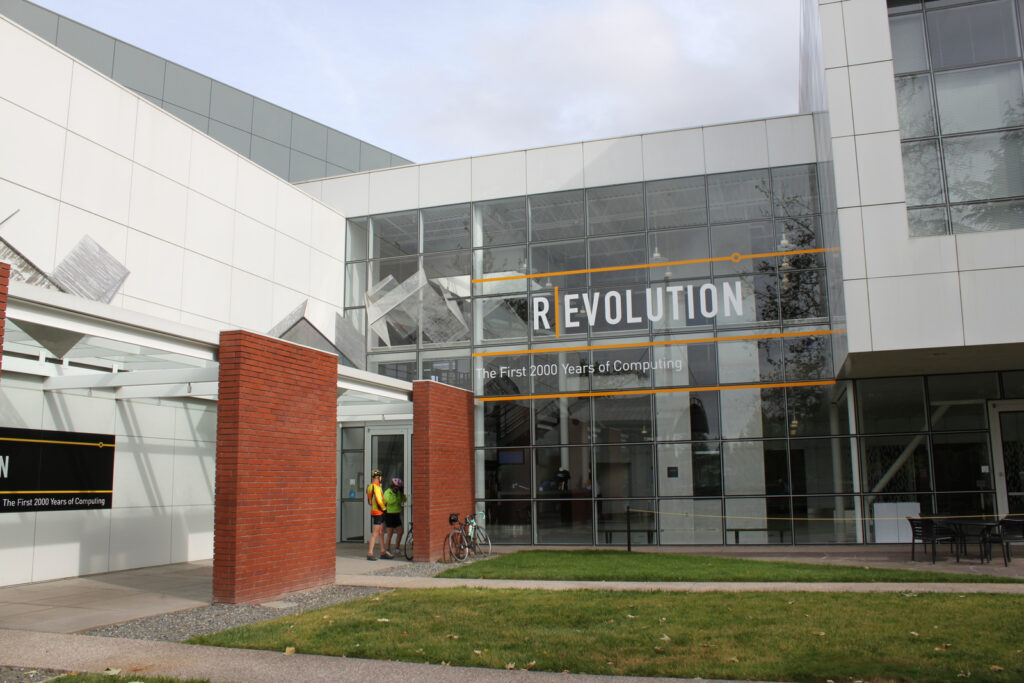
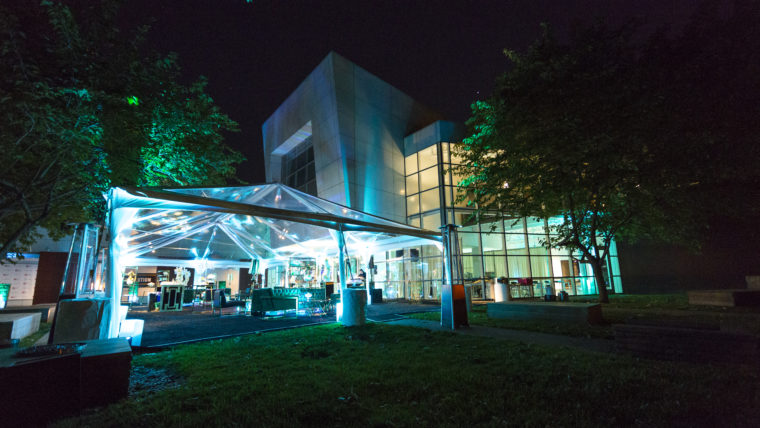
The exhibition will be hosted within
the Computer History Museum 1401 N. Shoreline Blvd. Mountain View, CA.
We will transform the
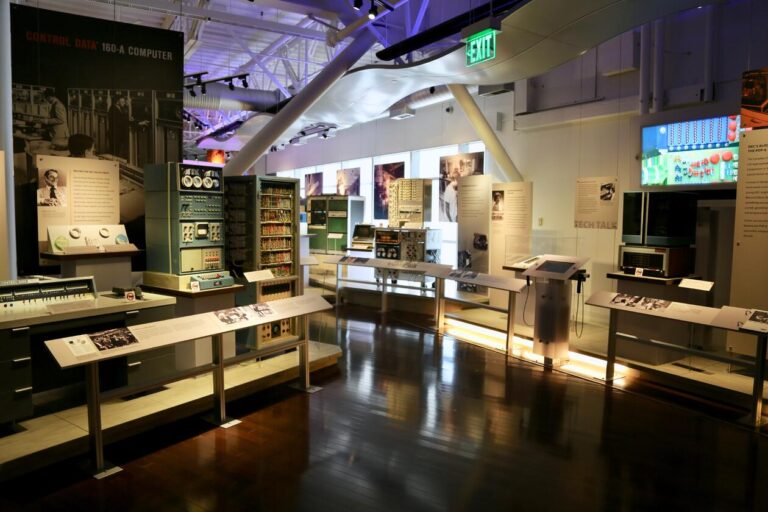
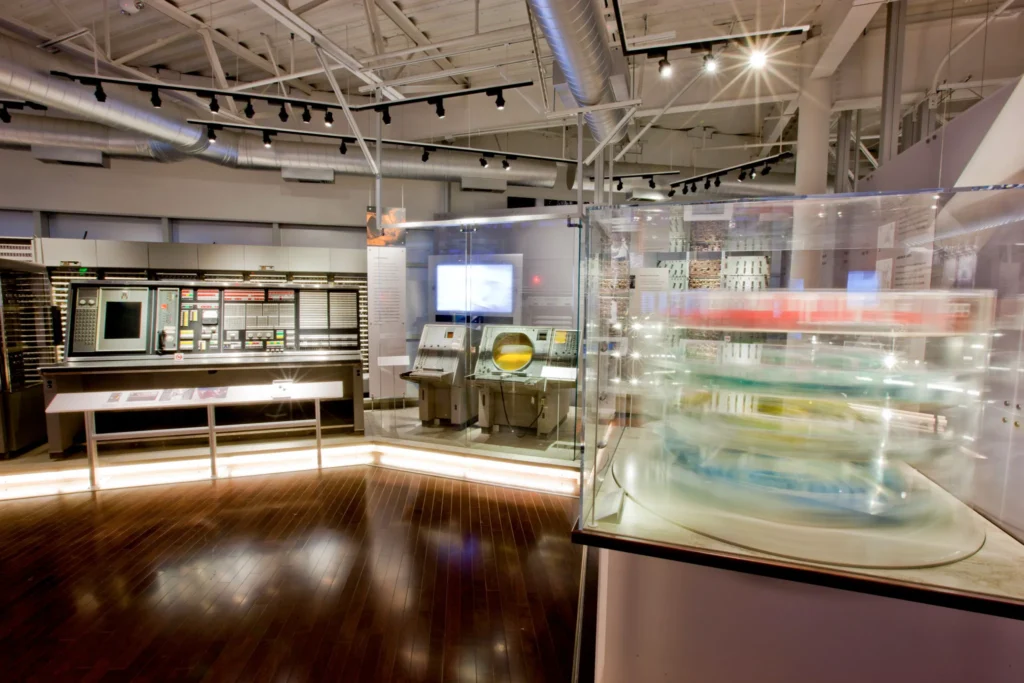
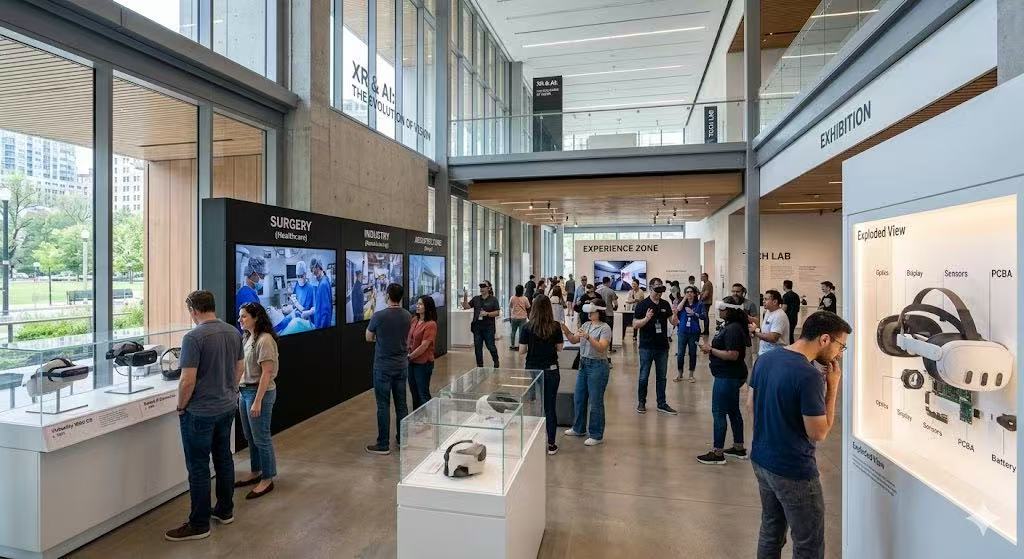
expansive open area into an exhibition hall
designed to offer a unique and
enriching experience.
Curatorial Statement
“Our exhibition explores a question that feels like the natural continuation of what happens when AI begins to perceive and understand the physical world directly.”
“We are bringing together researchers, engineers, artists, and designers to experiment how spatial computing, AI perception, and wearable hardware could become the next interface to knowledge — essentially moving from indexing the web to indexing reality itself.”
“The Expo isn’t about XR as a product category; it’s about exploring the sensory layer of AI and how humans will interact with that intelligence in everyday environments.”

Quick Fact Sheet
Who: Organizers are Bernard Kress and Rachel Tan (the first public outreach, a non profit initiative with the CHM)
Where: Computer History Museum, pristine location on the ground floor expo space
When: 5 months from 09/2026 to 02/2027 (opening ceremony gala night in 09/2026)
Why: Educate CHM visitors on the prospects of multimodal AI smart glasses and spatial computing XR headsets.
Partners and sponsors: CHM, SPIE, OPTICA, SID, main industries and start-ups in XR, mostly located in the valley.
XR and AI, the Spatial Computing Frontier
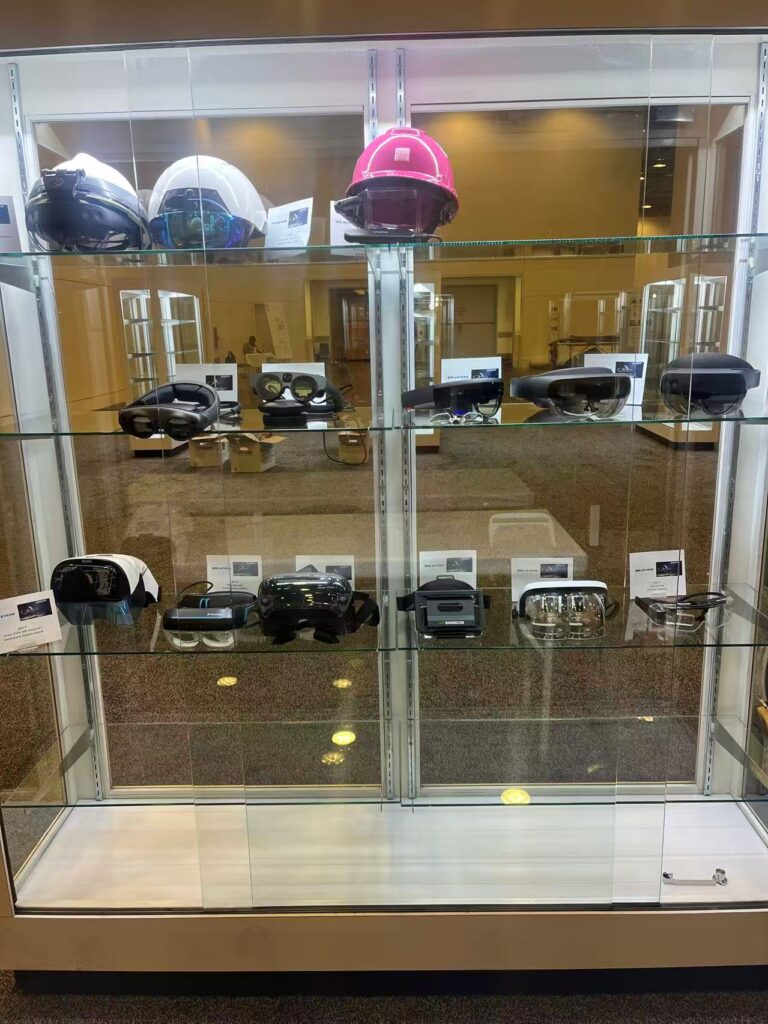
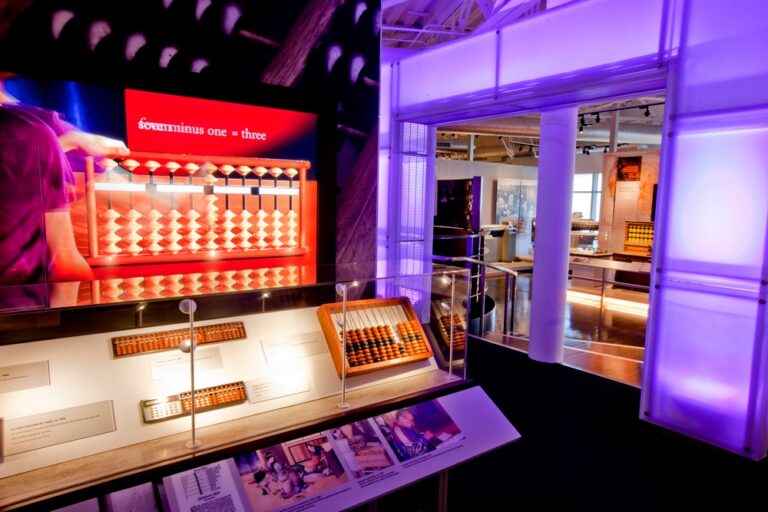
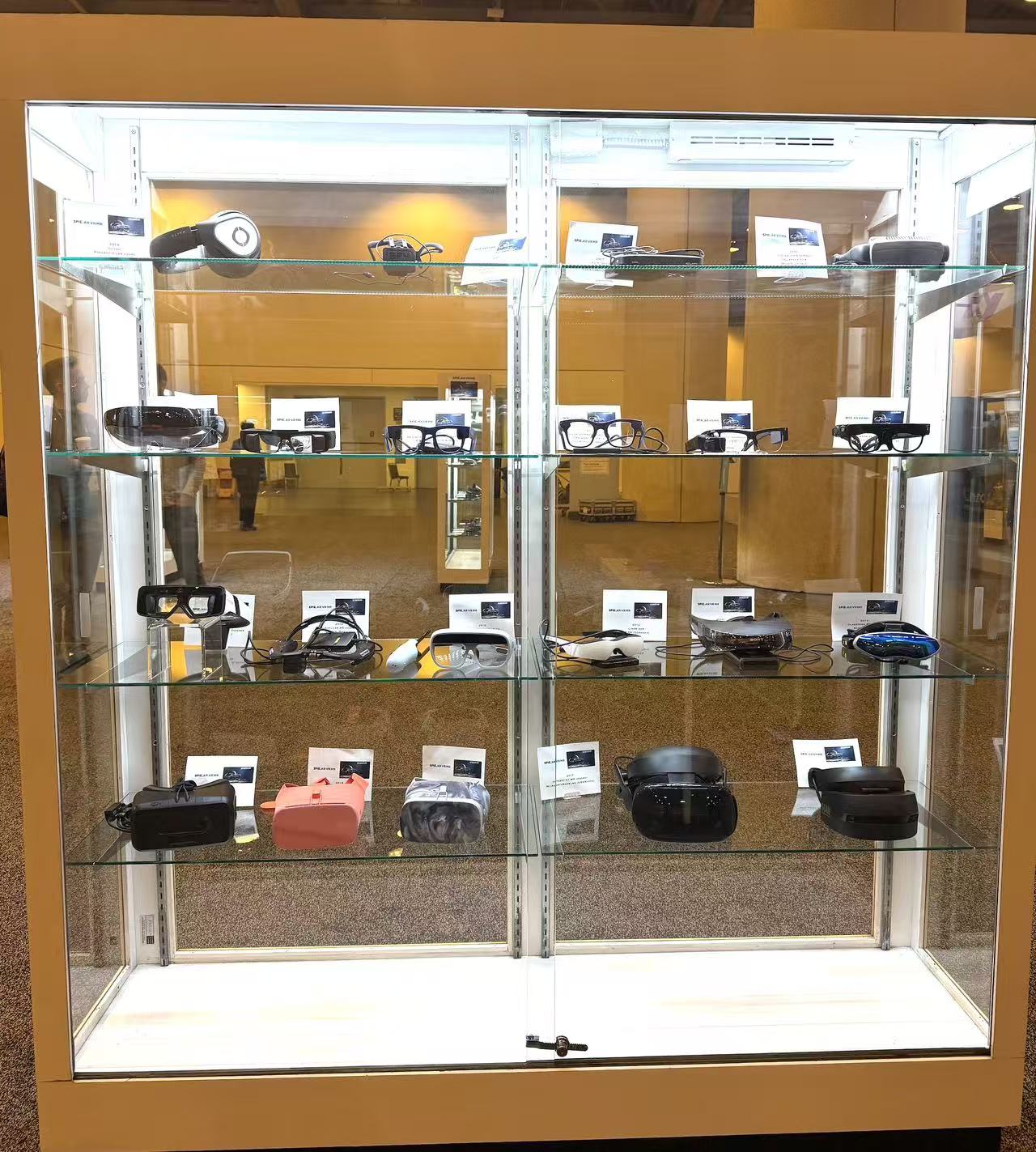
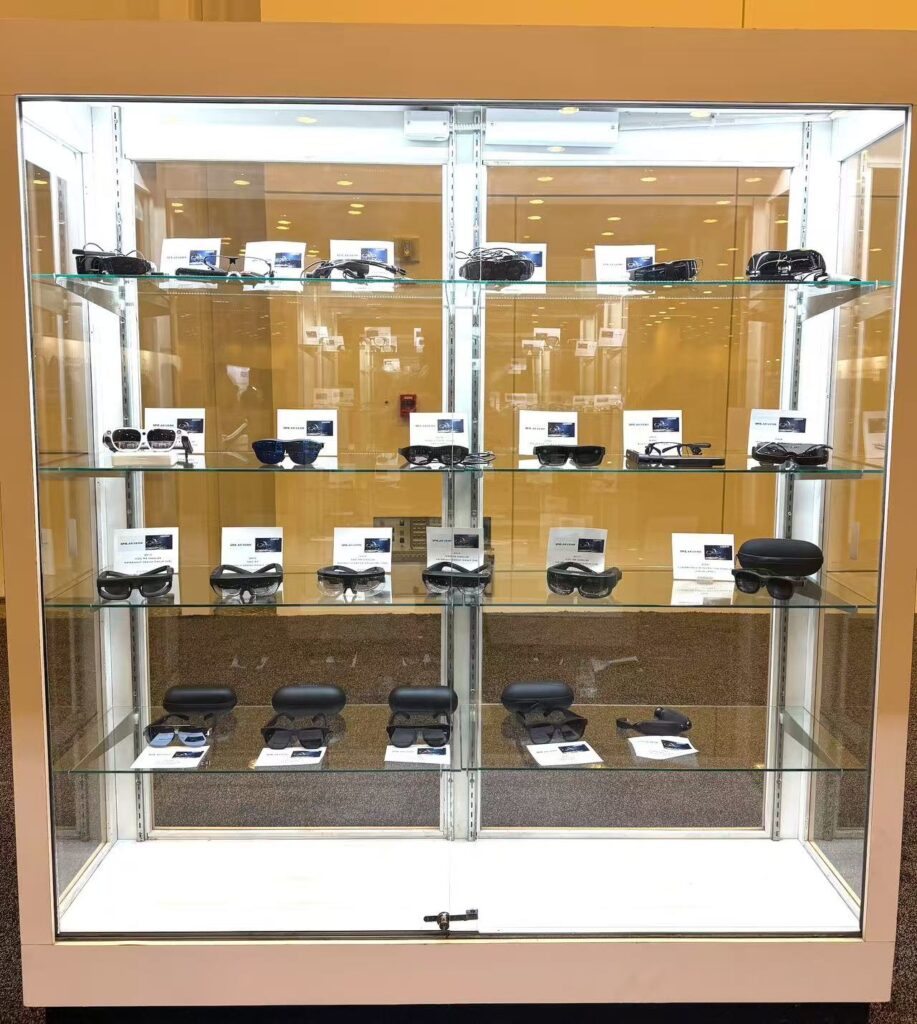
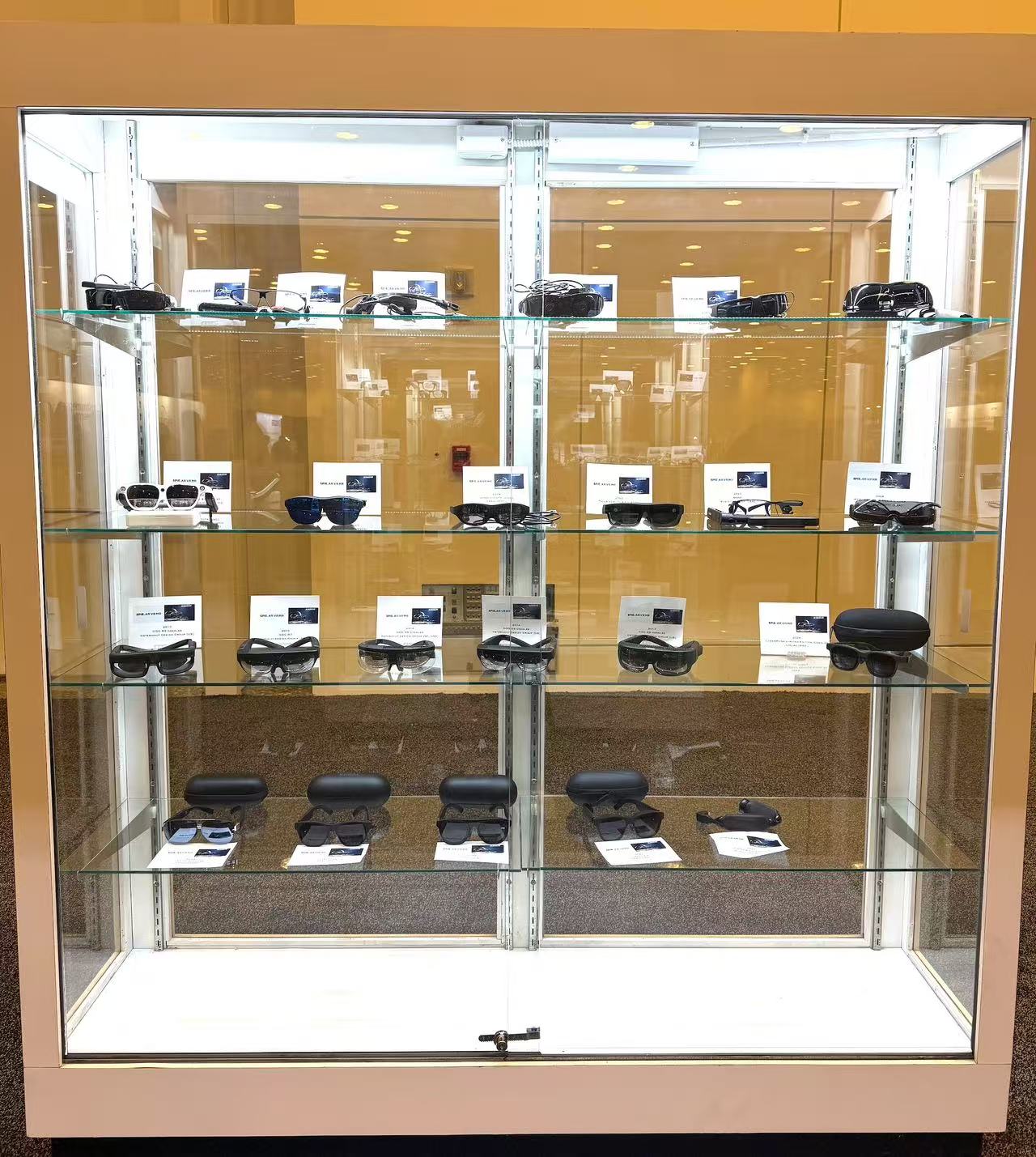
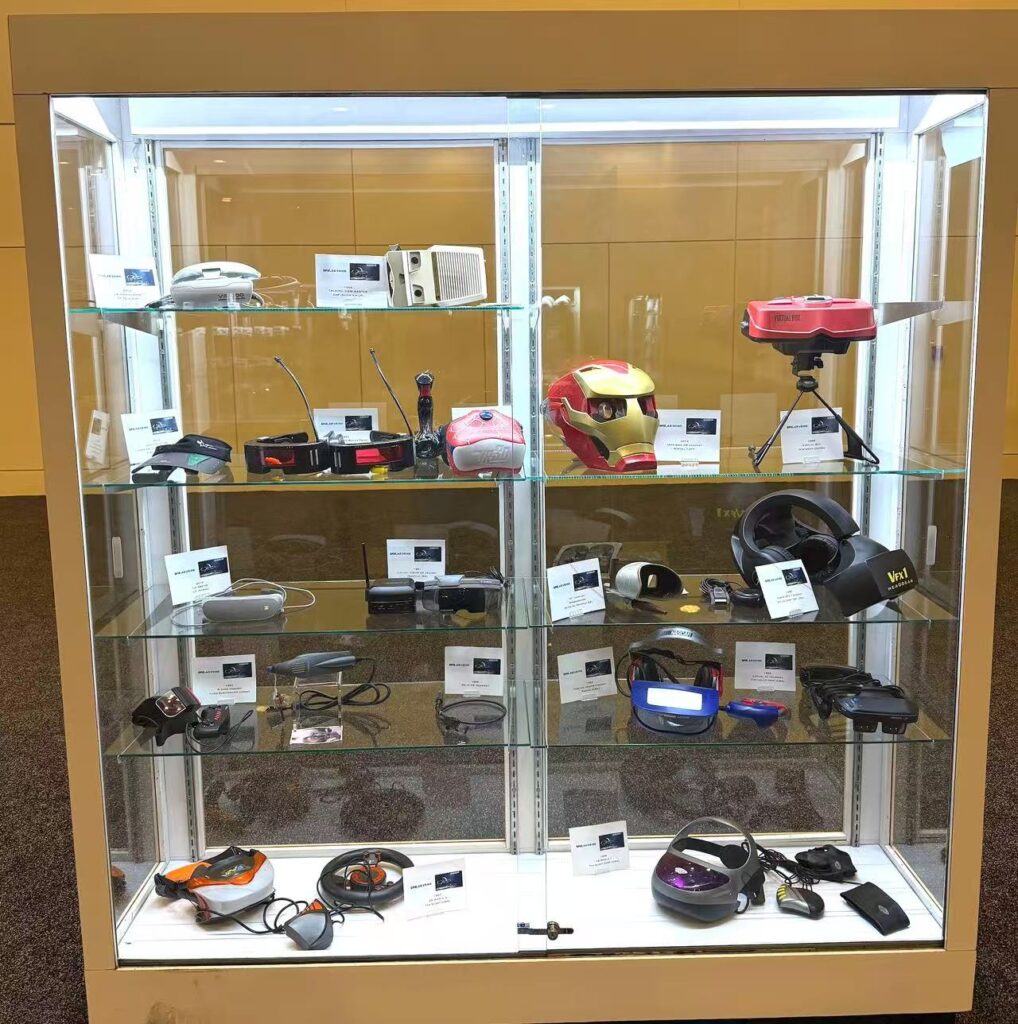
The EXPO: 300+ headsets, goggles and smart glasses displayed in glass cases, from the early 80s up to today, with interactive displays showing internal components and operation principles, as well as videos using such headsets in industry.
The XR Tech days: hands-on demos running alongside headset display expo attended by trained staff.
Three hands on demos running all day during the weekly XR tech days
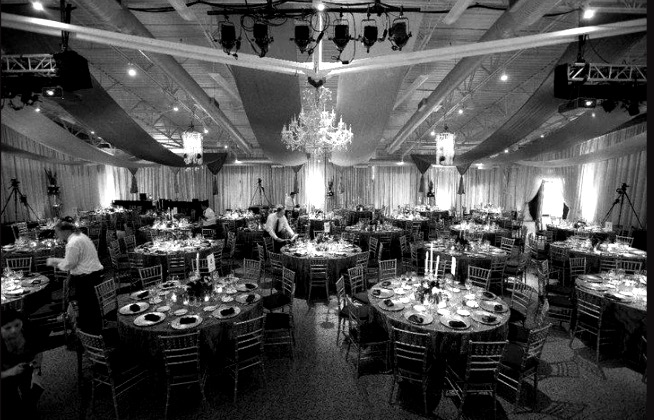
Opening gala
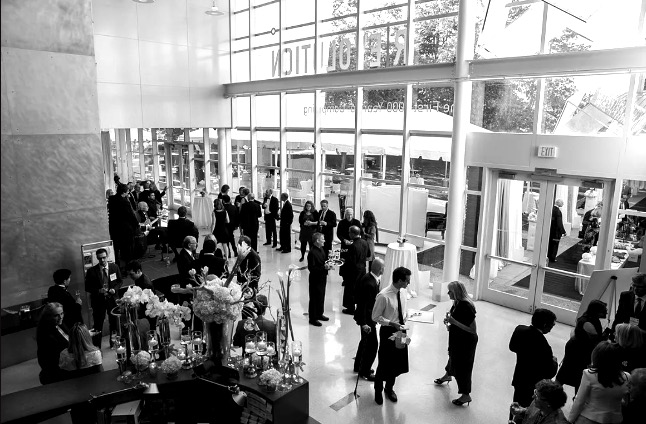
Opening night brings together leaders from AI, academia, art, and industry for an intimate first experience of the exhibition, offering a space to explore and reflect on how intelligence is moving into the physical world.
September 25th, 2026
Exhibition starts
When AI Meets Reality is an exhibition exploring how artificial intelligence is evolving from digital systems into agents that perceive, understand, and act within the physical world.
September 26th, 2026 – February 2027
Closing night
Closing night brings together participants and partners to reflect on the exhibition’s journey and the emerging future of AI as it moves from concept into lived reality.
February 2027
1- Multimodal AI Glasses
monocular 20 deg FOV display, in a carefully curated environment to interact with hardware
2- XR Headsets
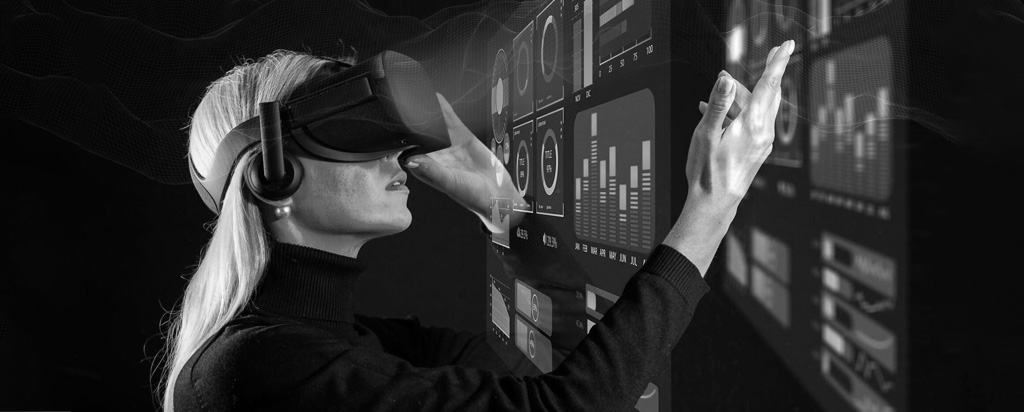
for kids how to engage in immersive 3D art creation and virtual world travel
3- “Experiencing the headset Expo with a headset”
(info about headsets history, multimedia content,…) – hardware: Viture birdbath goggles
Why You Should Participate
01
Shaping the Next Interface of Intelligence
Artificial intelligence is undergoing a fundamental shift — from systems that respond to queries, to systems that perceive, interpret, and act within the physical world.
When AI Meets Reality explores this transition: the emergence of spatial intelligence and agentic AI as the next interface between humans and machines.
02
Beyond a Trade Show: Engaging the Public Imaginations
This is not a trade show.
There are no booths, product pitches, or transactional interactions. Instead, the exhibition is designed to:
• Translate complex technologies into intuitive, experiential understanding
• Engage a broad, curious public audience
• Create moments of reflection, discovery, and dialogue
For sponsors, this offers something rare:
A chance to connect not just with industry insiders, but with how society at large begins to understand AI.
03
Thought Leadership & Narrative Ownership
AI is not only a technical shift — it is a societal narrative shift.
Sponsors can:
• Participate in conversations about perception, agency, and human–AI interaction
• Help frame how AI is understood beyond hype or fear
• Position themselves as contributors to a more thoughtful technological future
04
Academia & Scientific Societies
Universities and research institutions can leverage the exhibition as an extended public interface for their research.
Rather than publishing only within academic circles, institutions gain:
• Visibility for cutting-edge labs in a public, experiential format
• Direct inspiration and recruitment of future students and researchers
• Reinforcement of their position as leaders in emerging fields such as AI, spatial computing, and human–machine interaction
This transforms research into public impact and talent pipeline generation.
05
Large Corporations
Major technology companies can use the exhibition to build public trust and narrative leadership around emerging technologies.
By participating, they gain:
• Association with a credible, museum-level context rather than commercial environments
• The ability to help shape how the public understands AI in the physical world
• Early engagement with audiences to build readiness and excitement for future products and platforms
This is not short-term marketing — it is long-term brand positioning and narrative influence.
06
Start-ups
Emerging companies benefit from a rare combination of credibility, visibility, and real-world feedback.
The exhibition provides:
• Immediate legitimacy through presence in a respected institutional setting
• Exposure to a diverse, non-technical audience, beyond early adopters
• Sustained interaction over the exhibition period, enabling qualitative user insights and behavioral observation
This creates both brand acceleration and product learning in real-world contexts.
Get in touch
We’re here to answer your questions and listen to your suggestions.